Wednesday, November 26, 2014

Try These Tricks in Your Living Room

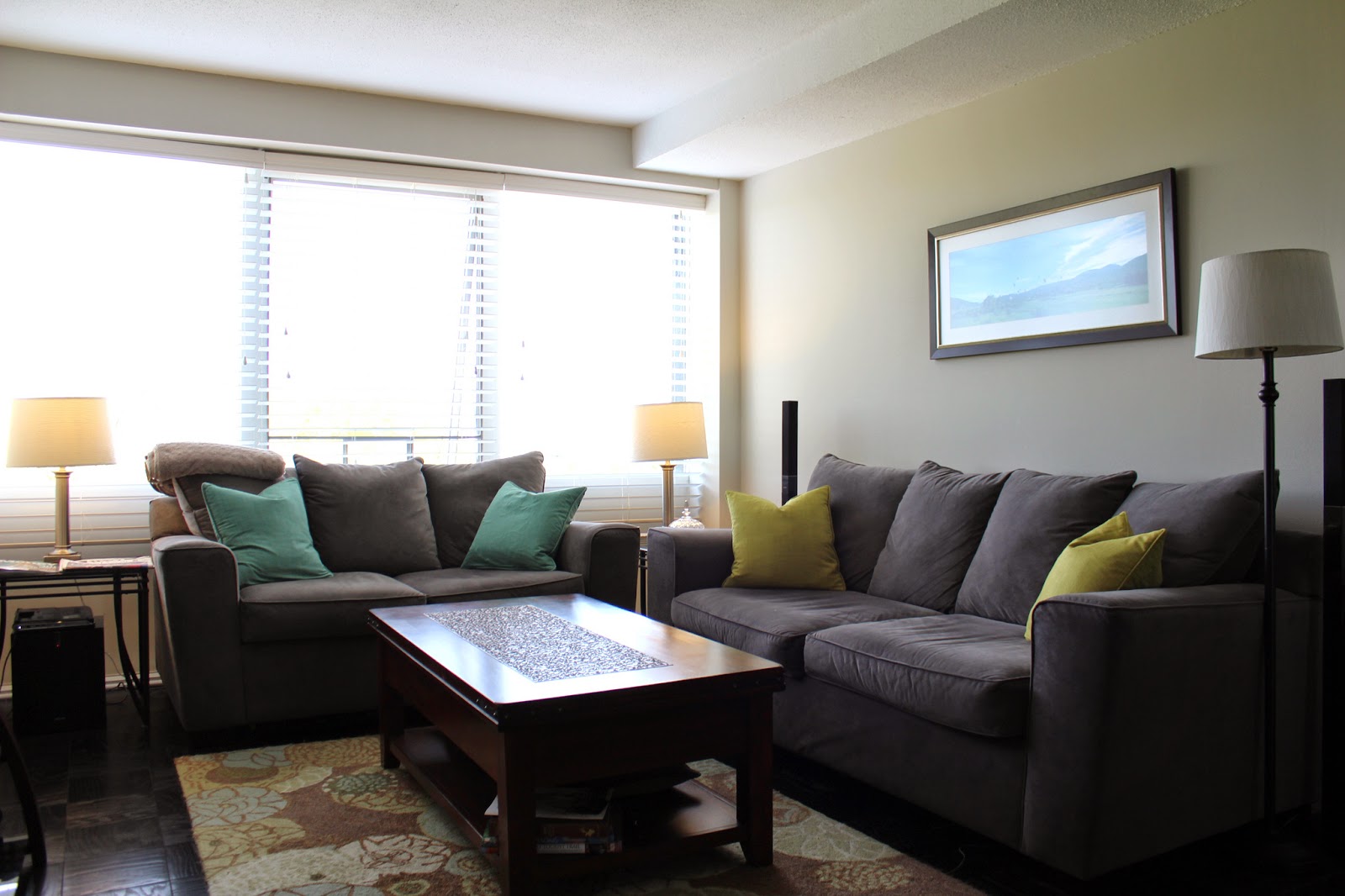
"IMG_1016" by Shawn Cornelius is licensed under CC BY 2.0
Holiday decorating usually leads to rearranging some furniture, which doesn’t sound like a lot of fun on the surface. However, this allows you the opportunity to experiment with the layout of the room and its furniture. Or maybe you’ve been looking for an excuse to switch things around, so you should take advantage of the opportunity! Try these tips from Apartment Therapy, and who knows, you may love your new layout so much that you decide to keep the Christmas tree up year-round!  
1. If you have room, pulling your furniture away from the wall can make conversational groupings seem cozier, and the room seem a lot more spacious.


2. Try replacing your coffee table with a smaller table, big enough to hold a book and a few drinks, that can move around the room. The space freed up by the coffee table will make your living room seem a lot bigger.


3. A bookcase behind the sofa is a great way to add a little texture — and a little storage — to your living room. (Naturally, things you don't use as much go directly behind the couch.)


4. Mixing old and new pieces is a great way to add energy to any room.


5. Balance heavier pieces with lighter ones to keep a space from feeling too clunky. The lighter pieces in this room — the coffee and side tables — provide a nice counterpoint the sofa and dresser.


6. Hang a picture ledge above your sofa for a statement-y look. If you get tired of your current pieces, you can easily switch them out.


7. Color is the key to mixing a lot of things together in a harmonious way. There's a lot going on in this living room, but the preponderance of white keeps all the different elements from becoming too overwhelming.


8. Every room can benefit from a touch of gold.


9. Keeping everything low (including the art) is a great trick to make a room look bigger.


10. Paired chairs don't have to match — try mixing two pieces from a similar era with different shapes.


11. When in doubt, add a little bit of black.

Thursday, November 20, 2014

10 Thanksgiving Best Practices

"Thanksgiving dinner" by japharl is licensed under CC BY 2.0
Thanksgiving is a day for food, family and fun - not stress. Whether you’re hosting Thanksgiving for the first time or the tenth time, sometimes you need a few reminders to put the day into perspective, instead of running around the kitchen frantically. Keep these pointers from Apartment Therapy in mind as  you plan your Thanksgiving dinner.


1. Modest is Perfect
Thanksgiving is the most modest of holidays (and one of the few shared by all) and doesn't want to be decorator fancy. It wants to be about gratefulness for plentiful food at harvest time and survival after a long year in the New World. With this in mind, focus on the food and keep your decor seasonal, simple and harvest based. This is not about glitter and bling, people!


2. Leaves, Branches & Berries
Every table I've ever decorated has been done with what I've found outside on the day. The raw and authentic shapes and colors in leaves, branches and berries (and flowers, sometimes, when down south) are stunning and simple reminders of this special time of year.


3. Eat Early - When The Sun's Still Up
I am a big fan of skipping lunch on Thanksgiving day and having an early supper. It shifts the momentum of the day, makes it a much more relaxed meal and allows the food to settle long before bedtime. As a rule of thumb, I recommend sitting down before sunset (4:30pm is sunset this year), so invite folks for 3pm and sit down before 4pm, and you're golden. For those that like to take a walk after the meal, start 30-60 min earlier!


4. Sit Close & Have a Long Table
For most dinner parties I worry about having too many people around a table or being too tight in my home. Not so Thanksgiving. Invite the people you love, take in strays and don't worry that everyone is sitting shoulder to shoulder. If you can get everyone at a long table and get them close to one another it will be intimate, cozy and great.


5. Move Between Courses
With a long meal like this you really have the luxury of taking your time and creating natural breaks between courses. This stimulates conversation and digestion. Start with drinks on the sofa, then sit at the table and then retire to the kitchen or living room again for or before dessert. Go for a walk before dessert even and let the kids run around. Don't rush it!


6. Passing: Many Sides, Little Dishes
Thanksgiving is a meal of side dishes and there's a huge advantage to this. If you serve family style, have people bring their favorite dishes and then get some crazy passing going around your table you will have MORE fun. The complication and multiplicity of this type of collaborative meal is what Thanksgiving is all about, and the passing of dishes engenders new levels of communication and social bonding.


7. Enjoy Dark Colors
Personally, I'm a big fan of diving into the deep colors of Autumn when decorating the table or the room and think that only Thanksgiving - of all holidays - gives full license for this. Dark colors are warm and cozy, so add to your leaves, branches and berries with dark napkins, tablecloths, flowers, candles, plates or dishes.


8. Read Something Aloud
Beyond giving a toast and because this is not a religious holiday, a birthday or an specific historical person involved, I love to center the meal around reading one thing aloud. Of course you can say grace, but reading something aloud that puts the meal in context and brings up the images associated with the real historical time in which it grew out of is a nice way of bringing everyone together. There are many poems about Thanksgiving, and if you want a really nicely written history, this one from The Writer's Almanac is one of my favorites:


"Today is Thanksgiving Day. In the fall of 1621, the Plymouth colonists had barely survived the previous winter and had lost about half their population. The Wampanoag people and their chief, Massasoit, were friendly toward the Pilgrims and helped teach them how to live on different land with new food sources. A man known as Squanto, a Patuxet living with the Wampanoag tribe, knew English because he had been a slave in England. He taught the settlers how to plant corn, beans, and squash and how to catch eel and shellfish. The Pilgrims built seven houses, a meeting place, and storehouses full of food, so they invited the Wampanoag Indians to feast with them. Harvest festivals were nothing new; both the English and the Wampanoag had similar traditions in their culture.

At the first Thanksgiving, they didn't eat mashed potatoes and pumpkin pie, and they probably didn't even eat turkey. The only two foods that are actually named in the primary accounts are wild fowl and venison. The meal was mostly meat and seafood, but probably included squash, cabbage, corn, and onions, and spices like cinnamon, ginger, nutmeg, and pepper.

Unlike our modern Thanksgiving, this event wasn't just one day. Many of the Wampanoag had to walk two days to get to the Plymouth settlement. There were about 50 English people and 90 Wampanoag, and since there wasn't enough room in the seven houses for the guests, they went ahead and built themselves temporary shelters. In between eating, they played games and sports, danced, and sang.
Thanksgiving has been celebrated as a national holiday on different dates, but on October 3, 1863, in the wake of victory at Gettysburg, President Abraham Lincoln decided to issue a Thanksgiving Proclamation declaring the fourth Thursday in November national Thanksgiving Day. In 1941, Congress made it official."


9. Make Something
In keeping with the modest tone and family centered feeling of the holiday, making something for the table or the guests is a great idea. Anything is good, and you can simply carve out gourds to place votive candles in them or make place cards. Here is a list of a whole bunch of good DIY's. I also love the little one I found in the picture above: carve out some apples and serve a good strong drink or mulled cider in them!


10. Kid's Table
If you're doing Thanksgiving with kids, give them their own table. I know that I said to seat everyone together, but I think young and old alike always appreciate their own space to have the meal at their own pace. I also think that children appreciate being a little independent at Thanksgiving and helping one another instead of having their parents wait on them. A Kid's table is an opportunity to have some fun and even have your kids help you set it up. When they run off to play, you won't have to collapse your seating at the main table to get closer to one another.

Thursday, November 13, 2014

Plan a Budget-Friendly Weekend

"Piggy Bank on Top of a Pile of One Dollar Bills" by Ken Teegardin is licensed
under CC BY-SA 2.0
Maybe the pay at your job isn’t the greatest or you’re saving up for something special, but regardless of your current financial situation, we all have to cut back from time-to-time. Imagine a weekend where not only do you not spend money, but you also feel like you had a full, productive weekend, too. It is possible! Apartment Therapy offers these six tips for planning a zero-spend weekend.


1. Plan what the rules to a money-free weekend are for you
Some people go extreme — no spending money means not evening turning the air conditioning or lights on. Others just pledge to cut down on frivolous spending. Others really try not to swipe their credit card the whole weekend. You know your needs and your family needs — so make up the rules that might be a little challenging for you but still doable.


2. Tell your friends and family
Yes, telling friends and family about your money-free weekend plans can help keep you accountable, but it might also help take temptation off the table — they might not invite you to the newest brunch spot or be more open to joining you on a free activity to help you keep your goal.


3. Use the weekend to work on home
If you've taken our advice about making lists and buying supplies as you go...this might be a perfect time to work on an item that needs repair or a DIY project you've been wanting to tackle. But it's also a great time to clean, straighten up or tackle an organizing job that won't take any money spending to accomplish!


4. Cultivate your list of money-free activities
Free arts shows in your community. A visit to the local library. A walk around a park with a good podcast. There are a number of free things to do, and a great place to start is to consider your favorite hobbies — and how you can tackle them without spending a dime. Love cooking? Give yourself a challenge to create a meal out of only what you can find in your fridge and pantry. Love photography? Walking around and shooting interesting things is free. Make a list this weekend to keep on hand so you don't reinvent the wheel every time you want to not spend a dime.


5. Give yourself a reward or remember a financial goal
If spending is a challenge, promise yourself a reward at the end of this money-free experiment (might work best if the reward doesn't cost money, though). Or, write down a financial goal before you start you can refer back to it when you get the itch to buy something.


6. Give it a try before deciding it's not for you
Not spending a dime for an entire weekend might be too weird of a concept — or for some impossible. But if you can, give it a go. It might give you the distance to see any unhealthy buying habits you might have and make financial changes for the better!

Friday, November 7, 2014

Create a Calming Apartment

"Whitney has a grown-up house" by V Smoothe is licensed under CC BY 2.0
Whether you just moved into your current apartment or are in the process of cleaning or rearranging, it’s important to decorate it in a way that makes you feel relaxed and at home. After all, the best part of the day is kicking off your shoes and relaxing, right? How do you create your apartment getaway? Follow these tips, courtesy of House Beautiful:


1. All rooms are important: Even those that are overlooked or unattended. Whether it’s a space you haven’t finished decorating or the family catchall, it often feels easier to close the door on these rooms and deal with them another day. Unfortunately, they weigh on your unconscious and zap your energy—they are essentially a task left undone. Create home harmony by making each space in your home inspired.


2. Conquer Clutter: Clutter produces physical and unconscious chaos. Not only can it leave you scrambling to find the keys as you are racing out the door but it can weigh on you even when you are sitting at your desk 20 miles away. Put a plan in place. Whether it’s ready to burst from behind closet doors or it’s those piles of paper on the dining room table, it is time to tackle the tasks and tame the tension it creates.


3. Color: Color impacts you on an emotional, psychological and physical level. Studies have shown that color can change body temperature and appetite. It can affect your mood or level of energy. Begin to become aware of how different colors impact you before determining what hue to paint your walls.                 


4. Remove Bad Mojo: The experiences you have had in your life hang from the walls or sit on the shelves of your home.  You probably have memories associated with your couch or the picture on the wall.  When the associations are negative these reminders can drain you. Be aware of the items in your home that are associated with undesirable feelings. By removing this “bad mojo” you will be one step closer to creating a serene space.


5. Positive Vibes: Once you gain awareness of the memories that make up your home, notice those items that bring a smile to your face. Begin to add items from fun excursions that will remind you of good times and uplifting people.  These items will give you a boost and nurture and inspire you as you move through your home and life.


6. Sanctuary Slogan: Decide what qualities, characteristics and atmosphere you want to create and name it—this is your “Sanctuary Slogan”. We each have unique needs that our environment can support us in fulfilling; begin to determine how your environment can support you. Place this slogan in a spot that will serve as a daily reminder to help you stay focused on your ideal life and home.


7. Nurture Nature: Innately as humans we are designed to appreciate the natural beauty all around us. This is especially true in nature. By incorporating natural elements into your space you feed the intrinsic yearnings deep within you that foster a sense of inner calm and peace. Bring in a wood turned bowl, fountain or acorns to encourage a space of serenity.


8. Plant Power: Plants are important for many reasons when designing a restorative home. Not only is it an additional way to bring nature into your home, it also helps to clean and re-oxygenate the indoor air. Incorporating plants into your design will help to eliminate the noxious off-gasses from many products giving you a serene sigh of relief.


9. Welcome Windows: We are living in a toxic soup that can create disharmony and disease. Unfortunately the air trapped inside your home is many times more toxic than the air outdoors. Open your windows each day and remember to take a deep breath.


10. Technology Zones: Allocating spaces to play in, rest in and work in will help you unconsciously move from one activity to another with ease and grace. Design a layout within your home with designated areas for various activities. This creates an automatic cue to your subconscious informing you that it is time for a specific activity. This will help to construct a space that supports balance and harmony.


11. Take Action: It is easy to become overwhelmed with the to-do’s of daily living in the modern world.  Adding in items that need to be completed around your home can be wearisome. Take a moment to reflect on what you would like your home and life to look like and begin by taking small steps each day to create a calm and peaceful home. Remember that small steps will get you closer to your goal than inaction.


This article originally appeared on Veranda.com.

Friday, October 31, 2014

5 Ways to Cut Energy Costs

"home office closeup" by megan ann is licensed under CC BY 2.0
While it’s wonderful to live in an age with so much technology at our fingertips, these devices also use a lot of energy. Not only does this have a potentially negative impact on the environment, but it costs us more money on our electric bills each month, too. So how can we conserve energy and save money without feeling like we’re sacrificing our dependency on technology? Try these tips from Apartment Guide:


1. Unplug
It goes without saying that turning off the lights when you don’t need them can reduce the cost of your electric bill–but did you know that simply unplugging your appliances can help reduce costs, too? Of course, you don’t want to unplug things that need to stay plugged in like the refrigerator.


However, unplugging phone chargers, toasters, hair dryers, and other small appliances when they’re not in use can shave dollars off your electric bill every time. Consider getting timed surge protectors or outlet additions that can turn off and on things that you don’t need to use while you’re not home, like television cable boxes, modems, routers and the microwave.


2. Cool Naturally
One of the biggest uses of electricity in a home, particularly during the summer, is the air conditioning. Nearly all air conditioners–whether they are window units that can be turned on and off, or they are controlled centrally by a thermostat–use electric power to run.


While some hot days are unbearable and it’s impossible to go without a/c, on more temperate days, try to cool your home naturally. Open windows, block sun from streaming in windows, and use fans. Try opening two windows; then place a fan backward in one open window to draw hot air out. This will allow the cool air from the other open window to flow in freely.


3. Go Green
If you use a lot of lights in your apartment, one way to reduce your electric bill is to use eco-friendly light bulbs. There are lots of eco-friendly light bulbs available, and they’re much more durable, long lasting, and environmentally-conscious.


Fluorescent light bulbs are not only better for the environment, they’re also better for your bank account. Switch your regular bulbs out for fluorescent ones; then reduce their usage as much as possible. Consider trying different fluorescent bulbs to find just the right color for your home (some can be very bright).


4. Upgrade and Update
New appliances are much more energy efficient and responsible than older appliances. You may not be able to upgrade major appliances in an apartment, but that doesn’t you don’t have any control. Some minor appliances whose newer models tend to be much more eco-conscious include computers, televisions, hair dryers, hair straighteners, toasters and blenders.


5. Clean Your Filters
Your air conditioner has a filter in it that keeps things like dust and dirt from blowing into the air. However, it needs to be changed regularly, and some people try to save money by not replacing the filter. In reality, a dirty filter is not only bad for your lungs, but it can also drive your electricity bill way up.

Full filters make air conditioners inefficient, causing them to work harder (or you to turn them on a higher setting) in order to make your space cool. If your “change filter” light is on, or if you haven’t changed yours in a while, check with your landlord to see if he has a replacement filter for you (or, if the air conditioner belongs to you, head to a hardware store to get a new one). You’ll spend much more on cooling your space with a dirty filter than you will on the one time expense of buying a brand new one.

Friday, October 24, 2014

Organize That Clutter

"Desk Experiment 001" by Josh Lambert Pearson is licensed under CC BY 2.0
Unless you’re Felix from The Odd Couple or Monica Gellar from Friends, chances are you have clutter in your life to some capacity. It’s almost easier to clean and organize when you’re moving and are forced to go through everything; but if you have lived in the same space for a while, you might need to do some decluttering. What are some everyday tips you can use to keep up with the clutter? Try these ones from Apartment Therapy:


1. Live within your means.
This is an idea I got from one of our Apartment Therapy videos, and I think it's a wonderful place to start if you're aiming for a simpler, less cluttered life. What 'live within your means' means for your home is this: let the size of your home dictate how much stuff you have, and not the other way around. If your closet is bursting at the seams, instead of dreaming of a bigger closet, why not try paring down your clothes to fit the space you have?


2. Purge often.
Even if you get to a point where you have only as many things as will comfortably fit into your space, stuff has a way of accumulating. So set aside a time, a few times a year, to go through your things and get rid of the ones you don't use anymore. You'll feel so much lighter, and your home will thank you.


3. Have a place for everything.
'A place for everything, and everything in its place.' Almost a cliche, but still some of the best organizing advice out there. A bit of further advice: if you have lots of things in limbo on tables or countertops or the floor and are struggling to find places for them, maybe you need more places. This is where clear plastic shoeboxes or a filing cabinet or maybe just a console with lots and lots of drawers can come in handy.


4. But don't underestimate the importance of a junk drawer.
Every household has those little things — pens, tape, twist ties, whatnot — that get used a lot but don't really have any logical place to go. Instead of agonizing over finding a home for every little thing, keep a junk drawer. The last few little bits of clutter get swept in there, and you're done.


5. Become a habitual putter-awayer.
This is probably the hardest part of this whole list for me: the 'and everything in its place' part of #3. I try to tell myself that it's a sort of game, kinda like one of these for adults. Put the bottle opener back in the drawer! Hang that skirt you didn't wear back in the closet! But ultimately, I think the easiest way to make sure you put things away is just to do it, and then keep on doing it until it's so habitual that you wouldn't ever think of not doing it. When you see how much better your home looks, you'll be that much more motivated to keep fighting the good fight.


6. Store things where you use them.
Be smart about where you store things. Not having to walk halfway across your home to put things away will make #5 that much easier.


7. Stop clutter before it enters your home with a landing strip.
Even if you're conscientious about what you buy, it's easy for clutter to sneak its way into your home in the form of junk mail, freebies, what have you. That's why setting up a landing strip by the front door is so brilliant: because clutter has to come into your home somewhere, and you can stop it right at the source.


8. Go paper-free.
Scanning all the documents you've been hanging onto may seem like a daunting task, but once you're done, they'll be easily searchable (plenty of apps, like Evernote, allow you to search scanned documents for certain words) and you'll have that much less stuff to manage.


9. Realize that life is about experiences, not things.
We're constantly being bombarded with advertisements that try to convince us that a happy life is all about having the latest stuff: a new car, an outdoor kitchen, an ice cream maker. But studies have shown, over and over (and my own experience has borne out) that it isn't the things in our lives that make us happy: it's our experiences that we treasure most. So the next time you're tempted to buy more stuff, ask yourself if the money wouldn't be better spent on a vacation or a nice night out. Bonus: you won't have to find a space for these things in your cabinets.


10. Forgive yourself and try again.
Remember that nobody is perfect, and nobody's home is perfect. Even the homes you see in the magazines aren't perfect — it took a whole team of stylists to make them that way. So if you have an off week, or two weeks, or month, and suddenly your house is a disaster, don't panic. It's never too late to forgive yourself and try again.
Friday, October 17, 2014

Adjusting to a New City

"City of Seattle: One" by John Tregoning is licensed under CC BY 2.0
Moving to a new city is a brave step, whether it’s for a job or because it’s a place where you have always wanted to live. It can be a tricky transition from old life to new life, but if you go into a move like this with reasonable expectations and a plan for putting yourself out there and making friends, life in your new city will be more fun than you could imagine! Keep in mind these tips from Apartment Therapy.


Say yes to everything. You need either all or some of the following life essentials in your new city: friends, a BFF, a boyfriend/ girlfriend, and a job. You won't find these by sitting at home and ordering delivery while watching Bravo. Get out there! Go to everything people invite you to. Remind yourself that you are on a mission to find these life essentials!


Ask to be set up on friend dates... or date dates. Welcome to the way grown-ups make friends. We're not in college anymore. Ask your BFFs in your current city if they know anyone in your new city. Ask your family if they know anyone who might be a nice friend for you. Scour Facebook, LinkedIn, Twitter, Instagram and whatever other social media you're on and find out who from your network lives in town. You might be surprised.


Join organized groups. From nonprofit volunteering to kickball leagues, even if you don't normally consider yourself a joiner, joining something is a way to meet new peeps. Start with a hobby and find a group. Even better: find something you've never done before. Being a beginner is a great way to connect with other people who are also beginning; you feel awkward, they feel awkward, bingo: new friend.


For your first 6 months, stay somewhere comfortable. You are in a new city, it's all strange and unfamiliar. You don't know where CVS or the grocery store are or who your BFF will be. You don't know the good neighborhoods from the okay neighborhoods from the bad neighborhoods. You don't know the secret side streets to cut around traffic. You don't know the cool bars, the cool restaurants or where the best farmer's market is. So instead of adding to the stress, I encourage you to stay somewhere comfortable for your first chunk of time... while you get used to your surroundings. "Comfortable" means something different to everyone. For me it meant splurging on a temporary apartment in a pricey area where I feel really safe and free to explore my surroundings. For you it might mean living with a friend or relative temporarily even though you know that long-term you want to be living alone.


Give yourself a year to acclimate. Anytime you start thinking "OMG, this was a huge mistake!," "I was so stupid for thinking this was a good idea!" or "I'm never going to like living here and I'm going to die alone!" — and, trust me, it will happen — remind yourself that things are still in transition, moving is hard, and you are giving yourself until you have a year under your belt before making any overarching judgements on the move.


Don't forget about your friends and your network from your former city. You have it easier — you left. I've always believed that the "mover" has it easier than the person left behind. You're out exploring a new city, having new adventures, learning new things. Your old pals are in their same routine and probably missing you. Don't forget about them. Make an effort to keep in touch and to go back and visit from time to time. Yes, it will be hard — you're not sharing all of their day to day adventures and even a small time difference call be awkward — but soon enough things will fall into place.

How did you adjust to life in a new city after a move? Share your thoughts!